
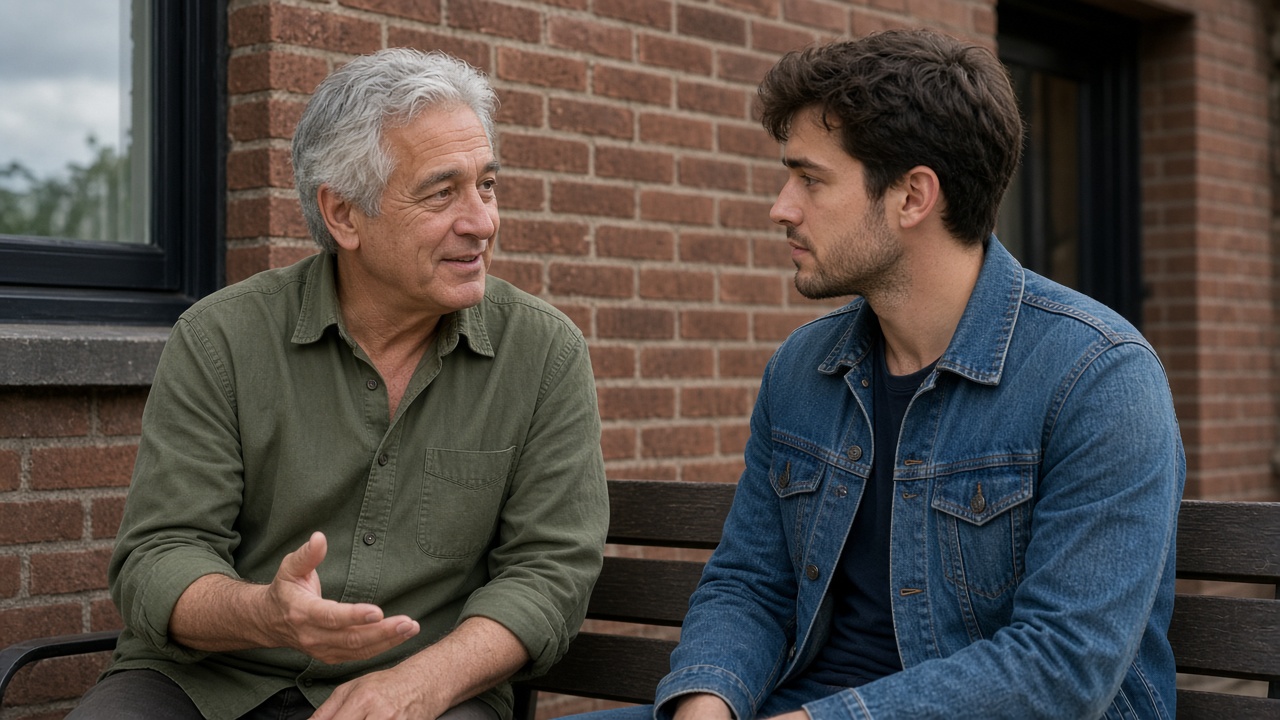

Mentor Ladder: One-on-Ones That Build Lieutenants
TL;DR: Stop running status meetings—run growth sessions. This ladder gives you cadence, agenda, and playcalls to turn direct reports into lieutenants who think, decide, and own outcomes.
Target keyword: one on one leadership system
Semantic terms: build lieutenants; mentor ladder; manager 1:1 agenda
Primary intent: Informational and actionable leadership system
Target reader: Leaders of small teams (3–12 reports) who need their next layer to lead, not just execute.
The Mentor Ladder (Four Rungs)
- Safety: psychological safety, clarity on expectations, trust in correction.
- Capability: skill-building, decision frameworks, reps on real work.
- Ownership: letting them choose, commit, and report without hand-holding.
- Multiplication: they develop others; they carry culture and standards.
Cadence That Scales
- Weekly 1:1 for developing reports; biweekly for stable seniors.
- Fixed 30–45 minutes; never cancel—reschedule within the week.
- Same slot each week to reduce coordination friction.
Agenda Blueprint (Status-Free)
- 5 min: wins + blockers (they speak first).
- 15–20 min: skill or decision work (one real problem; no theory).
- 5–10 min: commitments and metrics for next week.
- 5 min: feedback both ways (one note each; keep it behavioral).
Decision Playcalls (Teach Them to Think)
- 5-Line Brief: Context, Goal, Constraints, Options, Recommendation.
- If/Then Matrix: “If X risk hits, then we do Y.”
- Backbrief: they repeat the plan back to you—confirms alignment.
- Post-op: quick review of outcome, lesson, next constraint to relax or tighten.
Skill Reps Inside 1:1s
- Write together: outline → headline → key arguments in 10 minutes.
- Call prep: role-play customer/stakeholder questions; tighten answers.
- Prioritization: stack-rank tasks; cut the bottom 20%; lock time blocks.
- Feedback drills: they deliver a hard note to you; you coach tone/structure.
Metrics and Proof
- Leading indicators: on-time commitments, fewer escalations, quality of recommendations.
- Lagging: delivery velocity, error rates, team retention, customer sentiment.
- Dashboard light: green = autonomous; yellow = needs framing; red = needs hand-on.
Rituals That Build Ownership
- Pre-commit: they bring agenda; they propose decisions. You refine, not originate.
- Shadow → Share → Show: they shadow you once, then co-lead, then lead while you observe.
- Standards visible: publish definitions of “done,” service levels, and response times.
- Praise in public, coach in private; be specific to reinforce behaviors.
When Performance is Low
- Diagnose: skill vs. will vs. context.
- If skill: add reps + micro-coaching; shorten feedback loops.
- If will: reconnect to mission or move to a role they can own; set clear consequences.
- If context: remove blockers (tools, scope creep, unclear priorities).
Domain Links to Level Up
- Leadership — deepen your systems.
- Discipline & Mindset — keep cadence sacred.
- Purpose & Direction — align lieutenants to the mission.
- Identity & Legacy — grow leaders who outlast you.
- Start — if you need the first foothold.
FAQs
How do I keep 1:1s from becoming status updates?
Ban status in the meeting. Use async updates; reserve 1:1s for decisions, coaching, and commitments.
What if a report brings no agenda?
Coach once, then set a rule: no agenda, meeting rescheduled or cut to 10 minutes. They own the prep.
How do I know if they’re ready for ownership?
They propose solutions with risks/mitigations, hit commitments 3 weeks running, and escalations drop. That’s your green light.